The Complete Guide to Watch Straps: Materials, Sizing, and How to Choose
Replacing your watch strap? This guide covers leather, NATO, rubber, metal bracelets, and hybrid constructions including leather padded rubber and rubberized leather. You’ll learn how to measure your watch correctly, understand different materials, and choose the right strap for your lifestyle.
Introduction
A watch strap can completely transform how a watch looks and feels. It’s the part of the watch that touches your skin, defines the overall aesthetic, and is often the first component to show signs of wear. Whether your current strap is worn out, you want a new style, or you’re looking for something more comfortable, choosing the right replacement is easier than you think — once you understand the basics.
This guide covers the most common strap types, how to measure your watch correctly, and how to match materials to your lifestyle. For information on how straps attach to your watch (curved vs. straight ends, Swatch crenel systems, screw bars), refer to our separate Watch Strap Attachments Guide.
How to Measure for a Watch Strap
Before ordering any strap, you need three measurements: lug width, strap length, and buckle width (optional).
Lug Width — The Critical Measurement
The lug width is the distance between the two lugs where the strap attaches. This measurement determines what size strap you need. It is measured in millimeters and is usually an even number — 18mm, 20mm, and 22mm are the most common, though 16mm, 24mm, and 26mm also appear on specific watch models.
How to measure accurately:
- Remove your current strap from the watch. This gives you clear access to the lugs without obstruction.
- Use a digital caliper for the most precise measurement. A metal ruler can work, but even a 0.5mm error will result in a strap that doesn’t fit.
- Measure the distance between the lugs — the inside edge of the left lug to the inside edge of the right lug.
- Record the measurement in millimeters.
Strap Length — For Comfort and Fit
Strap length is often overlooked but critically important for comfort. A strap that’s too long will leave excess length flopping around, while a strap that’s too short will feel tight and may not reach the buckle securely.
Standard strap lengths are usually listed as two numbers — the long side and the short side. For example, “120mm / 80mm” means the long side (with holes) is 120mm and the short side (with buckle) is 80mm. Total length from tip to tip is typically 200mm to 220mm.
- Short: 110mm + 70mm — fits wrists under 6.5 inches (16.5cm)
- Standard: 120mm + 80mm — fits wrists 6.5–7.5 inches (16.5–19cm)
- Long: 130mm + 90mm — fits wrists over 7.5 inches (19cm)
Buckle Width — Secondary Measurement
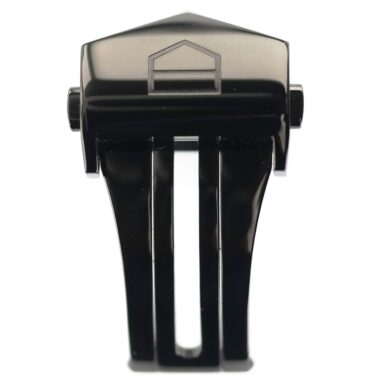
Most straps taper from the lug width to a narrower buckle width. For example, a 20mm strap often tapers to 16mm or 18mm at the buckle end. You don’t strictly need this measurement if you’re buying a complete strap — the strap will come with a matching buckle. However, if you’re buying a buckle separately or plan to use a deployment clasp, you’ll need to know this measurement.
Types of Watch Straps
Leather Watch Straps
Leather is the classic choice — comfortable, elegant, and available in countless colors and textures. A well-crafted leather strap ages beautifully, developing a unique patina that reflects your time with the watch.
Common leather types:
- Calfskin: The most common leather strap material. Soft, durable, and ages well. Excellent for everyday wear.
- Alligator / Crocodile: Distinguished by its distinctive scale pattern. Luxurious and highly prized. Typically reserved for dress watches and formal occasions.
- Lizard: Small, fine scales create an elegant texture. Common on vintage dress watches from the 1960s and 1970s.
- Ostrich: Recognizable by its raised quill marks. Exceptionally soft and durable. A statement piece that draws attention.
- Cordovan: Made from horsehide, known for its density and ability to take a high polish. Extremely durable and develops a beautiful sheen.
Pros: Classic appearance, comfortable against the skin after break-in, wide variety of colors and textures.
Cons: Not waterproof — water causes staining, stretching, and deterioration. Wears over time (typically 12–24 months with daily use). Requires occasional conditioning.
Leather Padded Rubber Straps
This is a rapidly growing category in luxury watchmaking. A leather padded rubber strap combines a durable rubber base (typically FKM or premium silicone) with a genuine leather top layer and added padding. The rubber underside provides water resistance and sweat protection, while the leather top delivers classic elegance. The padding creates a raised, substantial feel similar to high-end dress straps.
Key characteristics:
- Rubber base: Protects against sweat, water, and UV damage. Resists degradation from sunscreen and chemicals.
- Leather top: Provides a premium, classic look. Available in calfskin, alligator pattern, or smooth leather.
- Padding: Creates a raised, substantial feel — typically 4–6mm thick at the lug end.
- Best for: Active users who want leather aesthetics, warm climates, daily wear where sweat is a concern.
Pros: Water-resistant underside, leather appearance on top, durable construction, longer lifespan than full-leather straps.
Cons: More expensive than standard leather, less breathable than pure leather, limited color options compared to full leather.
Note: Many luxury brands now use leather padded rubber straps as standard equipment. When replacing these, ensure you match the exact lug width and attachment type (curved ends are common on luxury sports watches).
Rubberized Leather (Synthetic)
Rubberized leather is a synthetic material engineered to look and feel like leather while offering the waterproof and scratch-resistant properties of rubber. From a distance, it looks 100% like leather, but comes with all the benefits of rubber.
Key characteristics:
- Single synthetic material: Not a layered construction — the entire strap is made from one material that mimics leather.
- Waterproof surface: Highly resistant to water, sweat, and UV damage.
- Scratch-resistant: More durable than genuine leather in daily wear.
- Important limitation: While the material itself is waterproof, the glued construction of the finished strap may not be. Prolonged submersion can cause the glue holding the strap together to fail.
Pros: Looks like leather, feels like leather, but waterproof and scratch-resistant. Lower maintenance than genuine leather.
Cons: Synthetic feel to some wearers, glued construction vulnerable to submersion, not as breathable as genuine leather.
Rubberized Leather (Real Hide with Rubber Coating)
This construction uses genuine leather (typically calfskin or cowhide) with a rubber or silicone coating on the underside, or a rubber lining. Some versions use a rubber core with a leather cover (e.g., the Hirsch James range).
Key characteristics:
- Genuine leather top: Traditional leather appearance and feel on the visible surface.
- Rubber underside: The side against your wrist is rubber or silicone, providing sweat resistance and comfort.
- Hybrid construction: Combines the best of both materials — leather where you see it, rubber where it touches your skin.
Pros: Genuine leather appearance, sweat-resistant underside, comfortable against the skin, longer lifespan than full leather.
Cons: More expensive than standard leather, the leather top is still vulnerable to water, not suitable for swimming.
Comparison: Hybrid Strap Types
| Type | Construction | Water Resistance | Best For |
|---|---|---|---|
| Leather Padded Rubber | Rubber base + leather top + padding | Moderate (splashes ok) | Luxury sports watches (Hublot style) |
| Rubberized Leather (Synthetic) | Single synthetic material | Good (surface waterproof, glued seams vulnerable) | Active lifestyle, leather look with rubber durability |
| Rubberized Leather (Real hide) | Genuine leather + rubber coating/lining | Low (leather top vulnerable) | Daily wear, sweat resistance |
Care notes for all hybrid straps: Brief splashes are generally fine, but prolonged submersion is not recommended for any hybrid construction. The glue holding layers together can fail if soaked. For swimming, use a full rubber strap, NATO, or metal bracelet.
NATO and Zulu Straps
Originally designed for British military divers, NATO straps are woven nylon that passes through both spring bars. The unique design means that if one spring bar fails, the watch remains securely on your wrist — a feature that has made them beloved by military personnel and adventurers.
NATO strap varieties:
- Standard NATO: Single-layer nylon with five metal hardware pieces. The original design.
- Zulu: Thicker nylon, larger hardware, more rugged construction. Fewer hardware pieces (three vs. five).
- Seatbelt NATO: Made from smoother, softer nylon similar to automotive seatbelt material. More premium feel.
- Elastic NATO: Stretchy material that requires no adjustment. Extremely comfortable.
Pros: Extremely durable, fully waterproof, infinite color combinations, affordable, adds a casual sporty look.
Cons: Casual appearance only — not suitable for formal occasions. Can feel bulky on smaller wrists. Fabric can absorb sweat and require washing.
Silicone, FKM, and Natural Rubber Straps
Rubber straps are ideal for dive watches, sports watches, or anyone leading an active lifestyle. They handle sweat, water, and salt exposure with ease. However, “rubber” is an umbrella term. There are significant differences between Natural Rubber, Silicone, and FKM.
The Three Contenders:
| Feature | Natural Rubber (Vulcanized) | Silicone | FKM (Fluoroelastomer) |
|---|---|---|---|
| Cost | High | Low | High |
| Feel | Dense, Classic | Very Soft, Smooth | Dense, Pliable, Premium |
| Durability | Excellent | Medium (Tears easily) | Excellent (Anti-aging) |
| Dust / Lint | Good | Poor (Attracts dust) | Excellent (Repels dust) |
| Chemical Resistance | Good (Degrades with oils) | Medium | Excellent (Resists sunscreen) |
| Eco-Friendliness | High (Biodegradable) | Low | Medium (Long lifespan) |
| Our Verdict | ⭐⭐⭐⭐ | ⭐⭐⭐ | ⭐⭐⭐⭐⭐ |
How to choose:
- Best for active lifestyles (sweat/water/sunscreen): FKM is the winner. It handles sunscreen and sweat without degrading.
- Best for heritage / vintage correctness: Natural Rubber — the classic material used by early luxury dive watches.
- Best for budget / initial softness: Silicone — soft and affordable, but attracts dust and tears more easily.
Why natural rubber is better and more expensive:
- Elasticity memory: Unlike silicone, which can permanently stretch, vulcanized natural rubber returns to its original shape.
- Tensile strength: Much harder to tear a high-quality natural rubber strap than a silicone one.
- Eco-credentials: For environmentally conscious buyers, natural rubber is plant-based and biodegradable.
- The luxury factor: Luxury brands often use natural rubber or specialized FKM compounds because they hold structural integrity better for heavy watch heads.
Pros of rubber / FKM / natural rubber straps: Fully waterproof, extremely durable, resistant to sweat and chemicals, comfortable in hot and cold conditions.
Cons: Casual appearance only (though some textured FKM straps mimic fabric or leather), may cause sweating in hot climates (less breathable than leather or NATO).
Metal Bracelets
Metal bracelets are the most durable option and give a premium, substantial feel. They’re the traditional choice for sports watches and luxury timepieces.
Common bracelet styles:
- Oyster-style: Three-piece links. The classic sports watch bracelet. Versatile and timeless.
- Jubilee: Smaller, more flexible five-piece links. Dressed-up appearance. More comfortable on smaller wrists.
- Mesh / Milanese: Woven wire mesh that drapes like fabric. Vintage-inspired and very breathable.
- Engineer / Beads of Rice: Heavy, chunky links or small rounded beads. Retro aesthetic.
Pros: Extremely durable — can last decades, never needs replacement, premium look and feel, retains resale value.
Cons: Requires sizing (link removal), heavier than other options, higher price point, can be uncomfortable in hot weather.
Quick-Release vs. Traditional Spring Bars
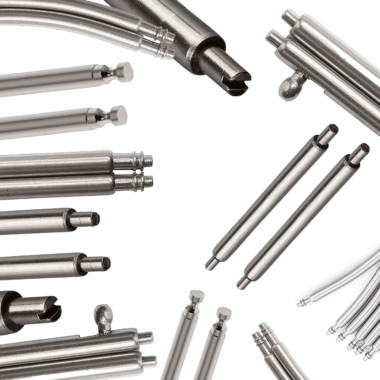
Modern straps increasingly feature quick-release spring bars, which have a built-in lever that allows you to remove the strap without tools. This is a significant convenience for those who like to change straps frequently.
| Feature | Quick-Release | Traditional |
|---|---|---|
| Tool needed | None — built-in lever | Spring bar tool required |
| Change time | 5–10 seconds per strap | 1–2 minutes per strap |
| Security | Good — built-in design is reliable | Excellent — no moving parts |
| Best for | Frequent changes, beginners, travel | Permanent install, active use |
Strap Care and Maintenance
- Leather straps: Avoid water. If the strap gets wet, dry it naturally away from direct heat. Condition every 6–12 months. Store flat, not bent.
- Leather padded rubber straps: The rubber underside can be rinsed with water. The leather top needs the same care as standard leather. Avoid submerging.
- Rubberized leather (synthetic): Wipe clean with damp cloth. Avoid prolonged submersion as glued construction may fail. More water-resistant than genuine leather.
- Rubberized leather (real hide): The leather top requires standard leather care. The rubber underside can be wiped clean. Avoid submerging.
- NATO / Nylon straps: Machine wash cold with mild detergent. Air dry. Brush off dirt between washes.
- Rubber / FKM straps: Rinse with fresh water after saltwater exposure. Avoid contact with sunscreen. Clean with mild soap and soft brush.
- Metal bracelets: Clean with mild soap and a soft toothbrush. Ultrasonic cleaners provide deep cleaning. Dry thoroughly.
Frequently Asked Questions
What is a leather padded rubber strap?
A hybrid strap with a rubber base (for water and sweat resistance) and a genuine leather top layer with added padding. Popularized by luxury brands like Hublot and now widely available. The padding adds a substantial, premium feel.
What is the difference between rubberized leather and leather padded rubber?
Leather padded rubber has a distinct rubber base and leather top with padding. Rubberized leather is either a single synthetic material that mimics leather, or genuine leather with a rubber coating/lining. They are different constructions for different purposes.
Can I swim with hybrid straps?
Brief splashes are fine, but prolonged submersion is not recommended for any hybrid construction. The glue holding layers together can fail if soaked. For swimming, use a full rubber strap, NATO, or metal bracelet.
How do I know if my watch needs a curved-end strap?
Look at the gap between your current strap and the watch case. If there’s no gap — the strap sits flush against the case — you need a curved-end strap. For detailed information, see our Watch Strap Attachments Guide.
What’s the most durable strap material?
FKM rubber and stainless steel bracelets are the most durable. FKM rubber typically lasts 5+ years; a quality steel bracelet can last decades.
How often should I replace a leather strap?
With daily wear, 12–24 months. Leather padded rubber and rubberized leather straps generally last longer due to the rubber components protecting against sweat.
Are all 20mm straps interchangeable?
Yes, any strap with 20mm lug width will physically fit between the lugs. However, you must also consider attachment type (straight vs. curved end) and spring bar compatibility. See our Watch Strap Attachments Guide for details.
Conclusion
Choosing the right watch strap comes down to three things: measuring your lug width accurately, selecting a material that matches your lifestyle, and understanding your watch’s attachment type.
Key takeaways:
- Measure your lug width with digital calipers — this is non-negotiable
- Choose material based on lifestyle — leather for dress, leather padded rubber for luxury active wear, rubberized leather for leather look with rubber durability, NATO for casual and water, rubber for swimming, metal for longevity
- Consider strap length — too long or too short compromises comfort
- Know your attachment type — straight vs. curved end matters. Refer to our Attachments Guide.
We stock watch straps in all standard sizes — 18mm, 20mm, 22mm, and more. Based in Switzerland, we source from trusted manufacturers.