- • Introduction
- • What Are Watch Gaskets?
- • Gasket Materials: What They’re Made Of
- • Where Gaskets Are Located
- • How to Measure Gaskets
- • Gasket Replacement: When and Why
- • Proper Gasket Lubrication
- • Water Resistance Ratings Explained
- • Signs of Gasket Failure
- • Step-by-Step: Replacing a Case Back Gasket
- • Frequently Asked Questions
- • Conclusion
- • Ready to Replace Your Gaskets?
Watch Gaskets & Seals Guide: Water Resistance, Types & Replacement
Gaskets and seals are the unsung heroes of watch water resistance. These small rubber or silicone components are the only barrier between your watch movement and moisture, dust, and humidity. Whether you’re servicing a watch, replacing a battery, or restoring a vintage piece, understanding gaskets is essential.
💧 Protecting your watch from water? We carry a selection of watch gaskets and seals for common case sizes and crown tubes. Based in Switzerland, we source from trusted manufacturers.
Introduction
Water resistance is one of the most important features of a modern watch. Yet it depends entirely on a handful of tiny rubber or silicone rings — gaskets — that are often overlooked until they fail. A single degraded gasket can turn a 200m dive watch into a water-damaged paperweight.
In this guide, you’ll learn:
- What gaskets are and where they’re located
- Different gasket materials and their characteristics
- How to measure and identify gaskets
- When and why to replace gaskets
- Proper lubrication and installation techniques
- How water resistance ratings work
- Common failure points and signs of trouble
What Are Watch Gaskets?
Gaskets are flexible rings made of rubber, silicone, or other polymers. They are compressed between two surfaces to create a watertight and dustproof seal. Without them, a watch would offer no protection against moisture.
Most watches have multiple gaskets in key locations:
- Case Back Gasket: Seals the case back to the case middle
- Crown Gasket(s): Seals the crown tube; may be inside the crown or on the tube
- Crystal Gasket: Seals the crystal to the case or bezel
- Case Tube Gasket: Seals the crown tube to the case (on some watches)
- Bezel Gasket: On rotating dive bezels, provides resistance and seal
- Push-Piece Gaskets: On chronograph pushers, seals against water ingress
Gasket Materials: What They’re Made Of
Different materials offer different properties. Choosing the right material matters for longevity and performance.
| Material | Characteristics | Lifespan | Typical Use |
|---|---|---|---|
| Nitrile (NBR) | Good oil resistance, affordable, stiff | 3–5 years | Case back gaskets, entry-level watches |
| Silicone | Flexible, good sealing, poor oil resistance | 3–5 years | Crystal gaskets, crown gaskets |
| Viton / FKM | Excellent chemical and oil resistance, durable, premium | 8–10 years | High-end dive watches, critical seals |
| EPDM | Good water resistance, poor oil resistance | 3–5 years | Crystal gaskets, some case backs |
Viton / FKM gaskets are the premium choice for watches that need reliable water resistance. They resist aging, chemicals, and temperature extremes better than standard nitrile or silicone.
Where Gaskets Are Located
Case Back Gasket
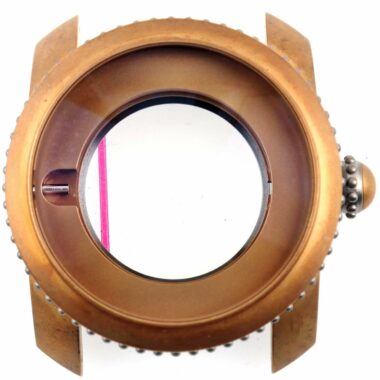
Sits in a groove on the case back or case middle. When the case back is tightened (screw-down) or pressed (snap-back), the gasket compresses to form a seal.
- Screw-down case backs: Gasket compresses between case back and case middle
- Snap-back case backs: Gasket sits in a groove; tension holds the seal
Crown Gaskets
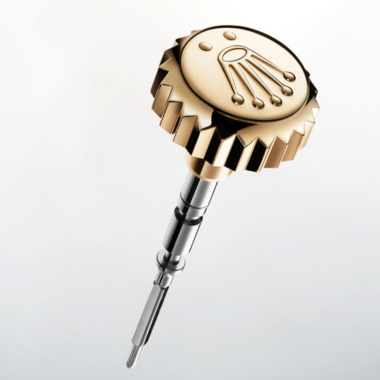
Most crowns contain one or more gaskets that seal against the crown tube. Screw-down crowns also rely on the threads to compress the gasket.
- Internal crown gasket: Inside the crown, seals against the tube
- Crown tube gasket: Around the tube where it enters the case
Crystal Gaskets
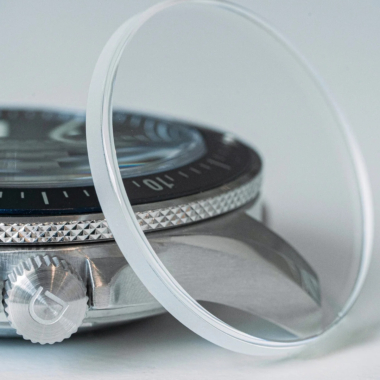
Sits between the crystal and the case or bezel. May be a separate gasket or integrated into the crystal (tension-ring crystals).
Chronograph Pusher Gaskets
Small gaskets on the pusher stems. Often the first point of failure on older chronographs.
How to Measure Gaskets
Accurate measurement is critical. Use digital calipers for precision.
Case Back Gasket Measurement
- Diameter (ID and OD): Measure inner and outer diameter. Most case back gaskets are round.
- Thickness / Cross-section: Measure the thickness of the gasket material.
Crown Gasket Measurement
- Inner diameter: Must fit snugly on the crown tube
- Outer diameter: Must fit inside the crown
- Cross-section: Determines compression and seal quality
Crystal Gasket Measurement
- Inner diameter: Must match crystal diameter
- Outer diameter: Must fit case opening
- Height: Affects crystal seating depth
Gasket Replacement: When and Why
When to Replace
- Every service: Gaskets should be replaced every 3–5 years, even if they look fine
- After case opening: Any time the case back is removed, replace the case back gasket
- Visible damage: Cracks, flat spots, hardening, or deformation
- Water ingress: If moisture appears under the crystal, gaskets are compromised
Why Gaskets Fail
- Age: Rubber hardens and loses elasticity over time
- UV exposure: Sunlight degrades rubber
- Chemicals: Perfume, sunscreen, chlorine, and solvents attack rubber
- Compression set: Gasket loses its ability to spring back after being compressed for years
- Improper lubrication: Dry gaskets crack; over-greased gaskets may slip
Proper Gasket Lubrication
Lubrication is essential for gasket performance and longevity. It helps the gasket slide into place without rolling or twisting, and it improves the seal.
What to Use
- Silicone grease: The standard for watch gaskets. Non-reactive, stable, and waterproof.
- Recommended brands: Bergeon 7055, Moebius 8300, or any high-quality silicone grease.
What NOT to Use
- Petroleum-based greases: Deteriorate rubber gaskets
- WD-40: Will damage gaskets and movement
- Excessive grease: Can contaminate movement if it migrates
How to Lubricate
- Apply a thin, even layer of silicone grease to the gasket
- Spread with a clean fingertip or silicone-safe brush
- Do not over-apply — excess grease can attract dirt or migrate into the movement
- For screw-down crowns, lightly grease the threads as well
Water Resistance Ratings Explained
Water resistance ratings are often misunderstood. Here’s what they actually mean — assuming gaskets are in good condition.
| Rating | Suitable For | Limitations |
|---|---|---|
| 30m / 3 ATM | Splash resistant, rain | No swimming, no showering |
| 50m / 5 ATM | Shallow swimming, showering | No diving, no high-velocity water |
| 100m / 10 ATM | Swimming, snorkeling | No scuba diving |
| 200m / 20 ATM | Scuba diving | Suitable for professional diving |
Critical note: Water resistance is not permanent. Gaskets degrade over time. A watch rated 200m when new may offer no protection after 5 years without service.
Signs of Gasket Failure
- Fogging under the crystal: Moisture inside the case — immediate attention needed
- Difficulty screwing down crown: Threads may be dry or damaged
- Crown feels gritty: Dirt or corrosion on tube or gasket
- Case back difficult to close: Gasket may be too thick, damaged, or improperly seated
- Visible gasket deformation: Flat spots, cracks, or hardening
Step-by-Step: Replacing a Case Back Gasket
1. Open the Case
Use the appropriate case opener for your case type (screw-down wrench or snap-back knife).
2. Remove Old Gasket
Carefully pry out the old gasket from its groove. Clean the groove thoroughly with a wooden toothpick or soft brush.
3. Inspect and Clean
Ensure no old gasket residue remains. Wipe the groove with a lint-free cloth. Do not use solvents that may damage the case finish.
4. Lubricate New Gasket
Apply a thin, even layer of silicone grease to the new gasket.
5. Install New Gasket
Place the gasket into the groove. Ensure it sits flat and doesn’t twist.
6. Close the Case
For screw-down case backs, tighten to the correct torque (hand-tight with a case wrench). For snap-backs, press evenly using a case press.
7. Test Water Resistance (if possible)
If you have access to a pressure tester, test to the watch’s rated depth. If not, avoid water exposure until tested.
Frequently Asked Questions
How often should watch gaskets be replaced?
Every 3–5 years, or any time the case is opened. Even if they look fine, gaskets harden over time and lose their sealing ability.
Can I replace gaskets myself?
Yes, with the right tools (case opener, calipers, silicone grease) and careful measurement. For dive watches, professional pressure testing is recommended after gasket replacement.
What’s the difference between nitrile and Viton gaskets?
Viton (FKM) is a premium material with superior chemical resistance and longevity. Nitrile is adequate for most watches but degrades faster. For dive watches, Viton is preferred.
Do I need to lubricate gaskets?
Yes. Silicone grease lubricates the gasket, prevents drying, and helps it seat properly. Never use petroleum-based lubricants — they damage rubber.
Why does my watch fog up after swimming?
Fogging indicates water ingress. Gaskets have failed. Stop using the watch immediately and have it serviced to prevent movement damage.
Can I shower with my watch?
Showering exposes watches to soap, heat, and steam — all of which degrade gaskets faster than water alone. Even water-resistant watches should avoid showers unless designed specifically for it.
How do I know what size gasket I need?
Measure the groove diameter (for case back) or the crystal/tube diameter. Use digital calipers for accuracy. If replacing an existing gasket, measure its inner diameter, outer diameter, and cross-section.
Conclusion
Gaskets and seals are small, inexpensive components that play an outsized role in protecting your watch. Regular replacement and proper lubrication are the keys to maintaining water resistance and ensuring your watch lasts for generations.
Key takeaways:
- Replace gaskets regularly — every 3–5 years, or any time the case opens
- Use silicone grease — never petroleum-based lubricants
- Measure carefully — precise sizing is essential for a proper seal
- Respect water resistance ratings — they assume new, properly installed gaskets
Ready to Replace Your Gaskets?
Browse our selection of watch gaskets in common sizes and materials.
Need help finding the right gasket for your watch? Contact us with your case measurements — we’ll help you find the perfect match.
We stock gaskets for Swiss and Japanese watches. Based in Switzerland, we source from trusted manufacturers.